We all love the shade tree on a hot Georgia afternoon. But here’s the thing about lawn care in Gwinnett County: Those gorgeous oaks, sweetgums and tulip poplars can actually be too generous with their shade. So when the lovely green carpet that your grass was supposed to be becomes a sad patchy science experiment, it’s time for some real talk about what tree shade can do.
Your lawn is a living creature that requires sunlight to grow — it’s plant food, essentially. When that happens, and it does something in the nature of outdoor gardening, when there is a big change in your environment, sometimes all you will have to show for your greensward efforts is bare ground. We’re talking thin, patchy grass that’s yellowing in parts, uninvited guests of moss and a yard that always seems to be feeling under the weather.
And so in an article that poses a question many homeowners wrestle with — when should I take down a tree anyway? We’ll help you go over the signs that your lawn is begging for more sun, shed light on the pros of tree removal for turf and guide you in determining if bidding a tree adieu could be best for the future of your yard.
Understanding Shade and Lawn Health in Gwinnett County
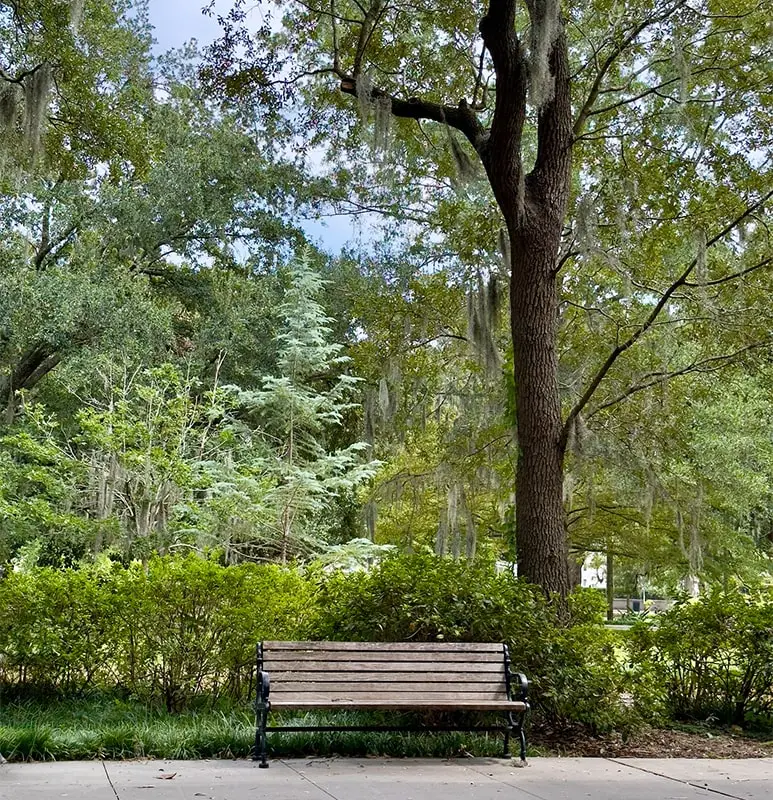
Your grass is essentially a solar-powered machine. Those green blades require a robust 4-6 hours of direct sunlight each day to photosynthesize properly and grow the kind of thick, healthy turf you’re after. The warm-season grasses that do well in our region — consider Bermuda, Zoysia and Centipede — are especially sun-thirsty. When they’re not getting their daily dose of rays, they sort of lose it.
Here’s where Gwinnett’s climate is a monkey wrench in the system. Yes, we have days of that oh God so hot and muggy (hello 89°F highs in July), but also just partly cloudy for a while. January is the cloudiest month (overcast and mostly cloudy conditions are observed 52% of the time). So, even without tree shade, your lawn is not always in full sun. Toss in an overstory of dense trees, and you’ve got a recipe for lawn trouble.
May through August is the wet season, which exacerbates the problem. July alone has an average of 13.3 wet days, which is the perfect storm: not much sun and excess moisture trapped under tree cover. This mix is like putting out a welcome mat for every lawn problem you don’t want.
When the shade takes over:
- Grass blades begin separating and becoming thin and sparse, having bald patches look downright pathetic
- And then there’s moss, the uninvited guest who loves the dark, wet party.
- Fungal diseases proliferate more rapidly due to inadequate air circulation and constant humidity.
- Weak grass is an attractant to pests
The fluctuations in temperature between our cold winters (down to 35° F) and hot summers add stress on grasses that are already struggling because of shade, which makes recovery even more difficult.
When Shade Becomes Too Much: Signs Your Lawn Needs More Sunlight
Your lawn will let you know when it is tired of living in the dark. The stressful part is that the more you let these lawn distress signals linger, the worse your yard will start to look.
1. Patchy or Sparse Grass Coverage
The first red flag is usually patchy or sparse grass coverage. You will see patches where the grass simply never fills in, leaving bare spots that seem to multiply more quickly than you can say “overseed.” This patchiness frequently occurs right under tree canopies were sunlight greatly dapples the ground.
2. Yellowing or Pale Green Blades
And if your grass is starting to look yellow or pale green, then it’s basically starving for light. Healthy Gwinnett grass should have a lush, dark green hue throughout the growing season. When blades lose color or begin to look sickly yellow, that’s a sign they’re shouting for additional sun exposure.
3. Poor Turf Density
Poor turf density shows up as grass that feels thin and wispy underfoot rather than lush and full. Perhaps you’re able to glimpse the soil through the grass, and after walking across the lawn, it will not bounce back.
These signs of shade damage are amplified during Gwinnett’s cloudier months (November–March), when available sunlight is more scarce even for the little that it is. The fact that this all takes place during the wet season in May through August does not help matters: Too much moisture and inadequate air movement beneath leaf-encumbered trees, are perfect conditions to foster fungal diseases.
To ensure shade is your bugaboo, see whether the affected areas get less than four hours of direct sunlight per day.
Tree Removal Regulations in Gwinnett County
But before you have your chainsaw and dive into the attack against shade for heavy home décor, let’s discuss a few rules. Gwinnett tree removal laws are not going to be as ominous as they sound, but it is still best to know what you’re in for before you cut something down.
Here’s the good news: Most homeowners are free to cut down trees on their property without having to wade through miles of red tape. A residential tree cutting permit is usually not necessary when you want to remove trees on your lot. By and large, you can cut down that giant oak tree blocking all your light without a single form to fill out.
When You Need to Pause
If your trees are in protected zones such as:
- Zoning Buffers – Green space between certain property types
- Stream Buffers - those which are along creeks and streams
- Conservation Areas_ Dovetail with dedicated zones to protect the environment
- Tree Save Areas – designated preserved areas for the trees.
Gwinnett County does have one golden rule: you must keep at least two trees that are alive on your residential lot. It’s the county’s way of ensuring that neighborhoods remain something short of concrete jungles. Dead or dying trees? You need two live Christmas trees indoors to mitigate the impact of death and destruction on nature, per this forum guidelines explanation. Those don’t count towards your two-tree minimum, and you can remove them without penalty.
For the most part, if you’ve got a tree that is obviously on its way out (brown needles, naked branches, or that classic lean), you’re in the clear to get rid of it. But if such things happen, you’ll want help from professionals like Tree Time who are experts with taking out trees of all sorts of shapes and sizes.
Moreover, in unforeseen circumstances where there is a threat to life or property due to a tree.Why our services are the best emergency tree removal services are made available for such quick fixes.
Environmental Considerations Before Removing Trees
But before you hook up that chainsaw, let’s discuss useful roles those trees have been playing in your yard (aside from soaking up all the sunlight). Not to mention, the trees in Gwinnett County are not just lawn bullies — they’re also environmental workhorses behind the scenes.
Your trees are essentially nature’s air purifiers, scrubbing out pollutants and belching up oxygen as you coolly snooze. That large sweetgum or tulip poplar in your yard? It is also offering a five-star hotel to local wildlife — birds, squirrels and beneficial insects all rely on mature trees for shelter and food. In summer, when the storms roll through (and we all know how stout those can be), tree roots are nature’s sponges, sucking up stormwater that would otherwise flood your basement or wash away your property.
Cutting down trees has environmental repercussions beyond your property line. When it comes to trying to save Gwinnett County’s environment, you have to think bigger picture than your grass. As a homeowner, you have responsibilities beyond trying to get your patch of the Joneses’ lawn as green and lush as their own.
Thing is, you may not have to go lumberjack on me. Consider these gentler approaches first:
- Not too much! Selective pruning to open up thick canopies: You’d be surprised how much light gets through after a nice trim.
- Fine fescue and St. Augustine grass are shade-tolerant species that literally grow in the shade
- Removing some of the trees that are causing a problem rather than taking everything away strategically.
Practical Steps for Homeowners Considering Tree Removal
So, you’ve carefully considered the environmental aspects and you’re still thinking of taking down that shade-casting behemoth? So let’s go through how, exactly, to make that happen without breaking the law or annoying your neighbors.
1. Start with a property assessment.
So grab a cup of coffee and look at your yard carefully. “Which are the trees that are causing most of the shade problems? Are they healthy or sickly? Take photographs from various perspectives and times of day to record how the shadows appear on your site. This visual proof is particularly useful when you’re talking through options with experts or explaining your situation to the HOA.
2. Consider tree trimming first.
Before you start the removal, you may also consider tree trimming as an option. A professional arborist can determine whether trimming your tree could fix your shade problem without having to cut it down completely.
3. Check those local regulations first.
For most residential properties in Gwinnett County, this is pretty straightforward, but you’ll definitely want to confirm your tree doesn’t fall into a protected zone. Bring out your property survey if you have one — those Stream Buffers and Zoning Buffers are not always clear to the untrained.
4. Get a professional arborist consultation.
It’s not simply a matter of finding someone to come and cut down a tree. An arborist certified by the International Society of Arboriculture can determine if it is, assess any potential safety hazards (such as roots damaging your foundation, or dead limbs hanging over your roof) and provide you with alternatives you may not have considered. They know the tree removal process Gwinnett County requires, and they can identify potential issues before they are costly problems.
5. Don’t forgo the HOA guidelines You will be so glad that you checked.
Your subdivision covenant may have restrictions on cutting down trees that are more stringent than county regulations. For trees that do not require county permits, some HOAs even demand approval anyway. Better an email to your HOA board now than fines or forced replanting later.
And, if after it is all considered, removal also feels necessary to you than you may even require land clearing services so that your yard can be cleared for new landscaping or a new building.
Benefits of Removing Trees to Improve Lawn Health
Let’s be honest about what’s next once you finally say goodbye to that out-of-control oak tree that’s been hogging all the sunshine.
1. Improved Sunlight Exposure
Taking down the tree will allow additional sunlight to hit your lawn, look at that thick carpet of green you have now. Those bare spots on which the grass had failed to grow? They’ll fill in with turf health once they are receiving their dose of sun each day.
2. Enhanced Grass Growth
Grass will grow thicker and healthier as the sun is now able to reach more of your lawn. Rather than sad and spindly blades desperately searching for light you’ll be enjoying the lush, dark-green growth that can take foot traffic and is worthy of magazines.
3. Better Air Circulation
In addition, taking down the tree will improve air flow in your yard and that can help discourage fungal problems. Those mushroom circles and brown spots that kept popping up in your shady areas grow well in damp, unmoving air underneath thick canopies. By taking away the shade-making tree, you’re also denying them their favorite loitering spot.
4. Optimal Timing for Tree Removal
When it comes to taking down trees in Gwinnett County, timing is everything. Late spring (late April to early June) or early fall (late August through mid-October) are the best times to do this. During such times, the weather is pleasant, contractors are less booked and your grass will be in a good position to recover as quickly as possible. You will also spare your lawn from summer heat and winter dormant period stress that could stunt its recovery.
Alternatives to Tree Removal for Managing Excessive Shade
But before you reach for the chainsaw, there are gentler ways to get color on your lawn without dragging those mature trees down.
Selective Pruning Techniques
Intermittenwand the selective pruning methods will work wonders. When done by a trained tree professional, thinning the dense canopy of trees allows dappled sunlight to enter without opening up so much of the center that it becomes a structural hazard. This is a technique that goes especially well with trees like the Sweetgum and red oak, which naturally form wide crowns. So can crown raising — cutting off low branches that can also shade the ground and reflect light downward, while still retaining a portion of the tree’s cooling benefits and its beauty.
Shade-Tolerant Grasses
The best shade-tolerant grasses for Gwinnett County homeowners to choose from are fine fescues or some types of tall fescue, both of which are able to withstand the decreased light under a tree canopy. They won’t look as plush as their sun-loving cousins, but they will certainly beat bare patches and mud!
Landscape Modifications
More and more, landscape renovations offer creative approaches that go with the shade, not against it:
- Turn very shady spots into beds of hostas, ferns or native woodland plants
- Plant decorative ground covers such as liriope or mondo grass that do well in low light situations
- Establish mulched pathways or seating areas on lawn-tough spots
- Work with the shade as an ally by planning cool refugia for those steamy Gwinnett summers
These tactics save your trees’ environmental benefits while dealing with lawn health issues by making sensible adjustments.
What to Remember
ImageYour lawn deserves the best possible opportunity to thrive, and that sometimes means making hard decisions about the trees that are creating shade in your yard. Whether you’re wrangling patchy grass beneath that big old sweetgum or watching the moss overtake under your Eastern red cedars, just know you have choices.
The key to success? Don’t do it alone. Gwinnett County certified arborists know how to factor in the climate and can help ensure that your decision won’t leave you regretting the option you choose next spring. They will walk you through everything from how much to selectively prune, to figuring out those awful buffer zone regulations.
Gwinnett County Lawn Care – The Whole Picture A good lawn care philosophy for Gwinnett County homeowners to embrace is one that takes your grass’s needs into account right along with the environmental benefits those trees are providing. You may discover that crown thinning saves the day without a single tree having to be felled. Or it may be that removing that one ailing specimen lets in just enough light to otherwise change your landscape.
Never rush, consult with the experts and pick the “least bad” path that makes both your lawn and your conscience green.
FAQs (Frequently Asked Questions)
What are the negative effects of large number of trees on lawn in Gwinnett county?
Too much shade from trees in Gwinnett County is bad for your lawn because grass needs sunlight to grow. It results in grass becoming thinner, moss growing more densely, grass turning a different colour, lack of turf density and an increased risk of pests or diseases because the turf is not receiving enough light.
How do I know if my Gwinnett County lawn is not getting enough sun?
These are signs that your Gwinnett County lawn needs more sunlight: A patchy or sparse lawn Yellowing and discolored grass blades Thinning turf density Exacerbated symptoms during specific seasons depending on the local climate. Looking at these symptoms, you can determine whether your tree’s heavy shade is to blame.
Are there rules for cutting down trees from home in Gwinnett County?
Yes, Gwinnett County does have tree removal standards. In most cases, a permit is not needed for residential tree removal unless located in protected areas –Zoning Buffers and Stream Buffers. Homeowners are required to keep at least two existing live trees on their lots and may remove dead or dying ones without a permit.
What are some ecological things to consider before cutting down a tree in Gwinnett County?
Before you decide to cut down a tree in Gwinnett County, think about what it does ecologically for you which includes clearing the air, housing wildlife or canalizing violent stormwater. It’s important to achieve a balance between lawn health and environmental benefits. Alternatives like selective pruning or planting shade-tolerant grasses are suggested for maintaining ecological equilibrium.
What are Some Practical Steps to follow for Homeowners who are thinking of Tree Removal in Gwinnett County?
Homeowners can begin by evaluating their property and perusing local regulations. Hiring a certified arborist or tree service may be necessary near regulated areas or for safety reasons. It also never hurts to ask Homeowners Associations (HOAs) for adherence to community standards, and living up to such requirements is good business.
Gwinnett CO A: You could selectively remove some of the large limbs on the maples, or limb them up from the bottom to allow more light through. Is there option to tree removal for too much shade on lawns in Gwinnett County?
Yes, there are options such as selective pruning to open dense canopies and allow more light into stands with full-sized trees. Shade-tolerant lawn grasses that are well adapted to shady sites can be planted, and landscape changes such as the use of shaded garden beds, mulches or ground covers can also achieve results for extremely dense shade without needing complete tree removal.