Understanding Homeowners Insurance Coverage for Tree Removal in Gwinnett County
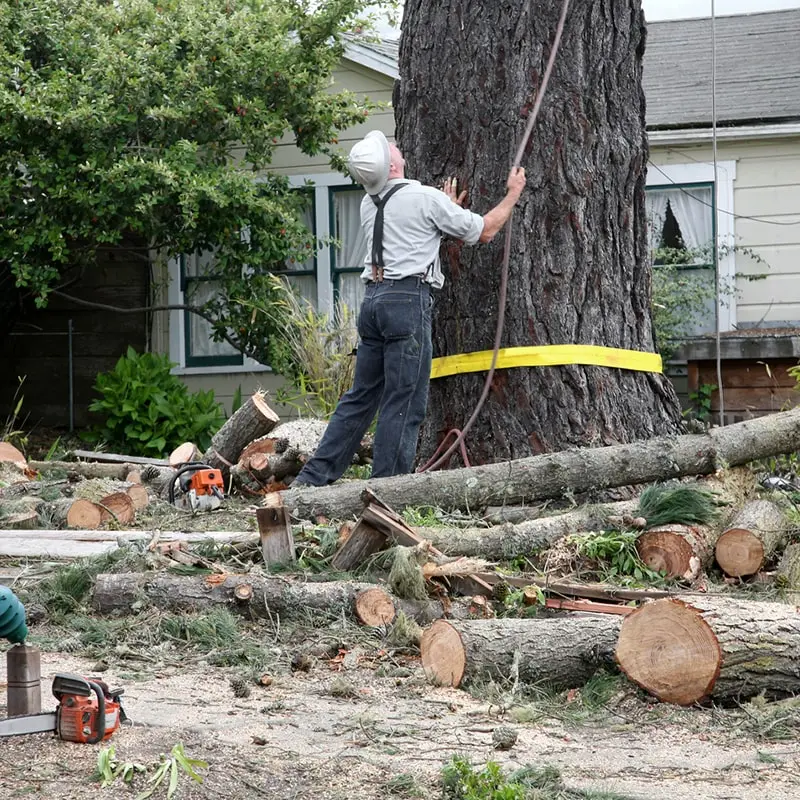
So you’re at home looking at a giant oak tree lying across your driveway in the wake of last night’s storm, thinking to yourself: “Does insurance cover tree removal?” So, let’s dissect—we’ll start with what Gwinnett County homeowners need to understand about their tree removal coverage in their homeowner’s insurance policy.
What Your Homeowners Insurance Usually Covers
Your typical homeowners policy covers tree removal when Mother Nature pitches a hissy fit. The magic sequence of words in that sentence is covered peril — insurance-speak for “bad stuff that happened all at once and wasn’t your fault.” Think:
- Wind and rain ( very normal in these parts, especially come our muggy summer months)
- Bolt of lightning that topples a tree
- Damage caused by fires, such as wildfires or other blazes
- Vandalism (cause you know, some people have nothing better to do)
- Weight of ice or snow (which is rare in Gwinnett County, but every once in a while you’ll get one of those January surprises)
When Your Insurance Will Cover Tree Removal
Here’s the catch: Your insurance will typically pay to remove a tree only when that tree actually causes damage to an insured structure — like your house, garage, fence or other covered property. When a tree smashes through your roof? You’re likely covered. If it merely lands in your garden? You’re probably the one paying for that.
In instances when you have trees fall on your property, you will need to react fast so as to avoid further damages and other hazards that may result of the fallen tree(s).There’s no need to worry if a tree falls onto your property because emergency tree removal services can keep this stressful scenario from becoming more challenging for you.
The Limits of Your Homeowners Insurance Tree Removal Coverage
But Gwinnett County tree removal insurance for homeowners typically comes with conditions. But those policies limit tree removal and debris cleanup to $500 or $1,000 per tree, with a maximum aggregate amount of $5,000 or $10,000 for claims filed after any single storm event. Some insurers may cover removal only if the tree is obstructing access to your driveway or a wheelchair ramp — in other words, preventing you from getting into your home.
Why Reading Your Policy Matters
The devil is in the details, so read your actual policy (I know, exciting stuff!). But if and when you have additional tree trimming or any other needs, it’s still a good idea to touch base with tree service pros in your vicinity like the ones at Tree Time who can offer everything from expert tree services in Loganville GA to even more personal needs like tree removal of all types.
When Insurance Won’t Help: Non-Covered Scenarios for Tree Removal
Then let’s discuss the situations that will have you fishing for your wallet, not your insurance card. Knowledge of non-covered tree removal insurance scenarios in Gwinnett County can prevent you from experiencing some severe sticker shock more down the road..
The “Oops, It Missed” Scenario
Your insurance company isn’t going to write you a check because a tree felt like taking a nap in your yard. If the big Sweetgum or Eastern Red Cedar comes crashing down in a storm but doesn’t cause damage to your home, garage or other insured structures, you’re usually out of luck for removal expenses. The tree might be sprawled across your entire driveway, but if it’s not actually damaging something covered by your policy, most insurers will politely pass on the claim.
Sickness, Decline and ‘You Should’ve Seen This Coming’
Those dead or dying trees you’ve been thinking about getting rid of? That comfortably falls into the maintenance range. Non-covered tree removal scenarios in Gwinnett County often include:
- Such as trees cut down because of ill-health, infested by pest etc.
- Dead or dying trees that are a safety hazard
- Preventative removal of hazardous trees
- Routine trimming and maintenance work
- Trees still are leaning dangerously but have not fallen yet.
It is the homeowner’s responsibility to take care of these, not insurer sudden emergencies. That Black Walnut that has decay symptoms or that American Holly infested with obvious symptoms of disease? You will have to pay for professional removal yourself.
The important difference between the two here is preventable and sudden. If you should have been able to anticipate the problem, then your insurer likely will not think of it as a covered peril. This puts regular property inspection and proactive tree care at the top of a homeowner’s to-do list in our region.
Navigating Gwinnett County’s Unique Challenges for Tree Removal Insurance Claims
Residing in Gwinnett County implies facing unpredictable weather—and putting your trees under perpetual stress. As far as when those Gwinnett County tree removal insurance claims might finally be approved, the focus shifts to the local area climate.
Which Weather Matters for Your Coverage
Warm, stifling summers coupled with wet, cold winters make the ideal conditions for tree related accidents. Wet season in Gwinnett County runs May through August, with 13.3 days with measurable precipitation in July on average each month. All that moistened soil around tree roots: It’s on the verge of toppling thanks to storms. When the thunderstorms roll in during these months, trees are a lot more likely to fall — and that’s when your insurance company is going to notice.
Wind conditions vary through the year, with the strongest winds occurring from October to May. In March, the pace is 6.2 mph — hardly dramatic until you account for the occasional severe-weather system. Those gusts, paired with root systems already weakened by wet soil, make for a recipe of covered claims.
The Precipitation Problem
The weather here doesn’t just knock trees down — it’s generating ongoing hazards that muddy the lines of coverage. February dumps an average of 4.4 inches and the “drier” October receives 3. This persistent moisture encourages the growth of fungus and disease in such prevalent local species as Sweetgum and Tulip Poplar trees. When such trees eventually fail, what caused the failure— sudden storm damage (covered) or a slow death due to disease (not covered)—is anyone’s million-dollar question.
Rules of the Road in Your Hometown
Tree removal ordinances in Gwinnett County that may affect your insurance claim. You might need permits to do so even if any tree is expendable or damaged in a storm, depending on its size, species, and location. If you didn’t observe and adhere to these regulations, this could complicate your claim at best, get it denied at worst if the insurance company determines that in some way, shape or form you violated local laws during cleanup.
Reviewing Your Insurance Policy: A Guide for Gwinnett Homeowners
Bring your policy documents and a cup of coffee because we’re about to wade through the fine print.
Does Insurance Cover Tree Removal? What Gwinnett County Homeowners Should Do
Before we dive in, we need to understand what your policy actually says. Every insurance policy sounds like it was written by someone who just absolutely loves complicated language more than anything, but however complex the wording may be, you don’t have to get a headache splitting hairs.
Review Your Dwelling Coverage, Plus Other Structures
Begin by pulling up your policy’s section on “dwelling coverage” or “other structures.” These sections generally address what happens if a tree destroys your home, garage or fence. — Ensure that there are dollar amounts specified for things like debris removal — many policies limit up to $500 or $1,000 per tree, and that might not be enough for removing a massive oak that’s decided it wants to redecorate your living room.
Understand the Perils Covered
Be sure to spend extra time on the portion that lists covered perils. Your policy should specify clear events like windstorms, lightning strikes or fire. If it’s “named perils only,” you’re covered for only what is named. An “all risk” or “open perils” policy turns the tables — you’re covered unless something is specifically excluded.
Meet With Your Insurance Agent
Reviewing an insurance policy Gwinnett County residents would be wise to do this with their insurance agent sitting at the kitchen table, because there are a lot of factors to consider. These discussions demystify confusing policy language and uncover coverage gaps that you didn’t even know were there. Ask pointed questions about coverage limits, the deductible for tree-related claims and whether your policy includes additional living expenses if a fallen tree makes your home uninhabitable while repairs are being made.
Ensuring Compliance with Local Laws: Permits and Ordinances in Gwinnett County
So you’ve got your insurance taken care of — awesome! Now, let’s discuss something that will go up and down your trees if you aren’t careful: Gwinnett County tree removal permits laws.
OK, here’s the real deal: You can’t just grab a chainsaw and mow down any tree from which you are feeling an emotional distance. Gwinnett County has some rules about which of your trees you can remove without permission, and trust me, you don’t want to skip this step.
When you might need a permit:
- Taking down trees over specific size limits (diameter, height matter here)
- Felling trees in conservation areas or containing ‘specimen’ trees
- Working on properties- in certain zoning districts – that must adhere to stringent guidelines
The kicker? Pull a tree down without the required permits and you could be fined so heavily that your insurance deductible will seem like pocket change. Even more infuriating, your insurance company may reject your claim if they find out you broke local laws to take it down.
Permits are like your legal safety net. They indemnify you against legal liabilities and maintain the validity of your insurance claim. Before booking someone to remove any trees — whether it’s an insurance claim or you’re paying for it yourself — call the county’s Development Services division and find out what paperwork you need. Better to make a quick phone call now than face a big fine later.
Choosing Professional Tree Removal Services in Gwinnett County
Let’s face it, cutting a tree down is not the kind of thing you can do by yourself on a weekend (unless perhaps you are secretly a lumberjack, in which case carry on). When it comes to this specialized line of work, hiring professional tree services Gwinnett County can trust that the job will be done makes all the difference in whether everything is taken care of smoothly or a potential disaster.
Why Hire Professionals?
Licensed professionals are insured so there’s more than just tools and muscle. Do they know about those local laws that we talked about earlier, meaning your tree removal will be legal and safe. These pros are able to get around power lines, protect your property and not damage the neighbor’s fence! Their insurance has you covered, too — if anything goes wrong with a removal, you won’t be on the hook.
The Role Professionals Can Play in an Insurance Claim
They become your best friends when it’s time to file insurance claims. They can:
- Document Damage With Detailed Photos And Written Estimates Insurance Adjusters Can’t Ignore
- Furnish a detailed estimate that is specific to the cover damage as opposed to normal wear and tear.
- Identify storm damage versus pre-existing conditions (insurance companies pay close attention to this distinction)
- Provide quality reports that will impress claims departments
Consider them as translators for the fallen Sweetgum to the fine print of your insurance policy. They speak both languages, and that could mean everything between a warm claim being rejected or one approved. What’s more they will make sure the removal is in compliance with Gwinnett County removing hazardous biohazard waste and sharps.compileComponents: They can even take care that the bloodstream cleanup is compliant using regulations set by Gwinnett County.
Other Services Available Besides Tree Removal
But it’s not just about getting rid of trees. There may be times when you require more extensive services like land clearing, which these professionals are also trained to handle.
Planning Ahead: Preparing for Tree Removal Costs Not Covered by Insurance
Let’s discuss money — your cash, to be specific, when the insurance says “not my problem.” Tree removal costs, out of pocket, can vary from a few hundred bucks up to several thousand for that huge sweetgum that has been littering spiky balls on your driveway for decades.
Savvy budgeting begins with realistic expectations. Create an emergency fund specifically for tree-maintenance, it’s like a “tree rainy day fund” (pardon the pun). Financial advisers recommend having $1,000-$3,000 at the ready for unforeseen tree woes, depending on your property size and how many trees are in your care.
The real money-saver? Preventative is better than emergency removal every single day. Consider these budget-friendly strategies:
- Arrange annual inspections with a certified arborist ($150 to $300) so problems can be caught early.
- Invest in yearly pruning ($200 to $500 a tree) to keep structure in check
- Treat disease symptoms promptly, the cost of treatment is pennies compared to removal
- Record Keeping Maintain good records of all work done on your trees for tax deductions
Does Insurance Cover Tree Removal? What Gwinnett County Homeowners Should Know One thing is for sure: no one can afford costly tree removals that come up as surprise expenses in your budget! A healthy Eastern Red Cedar or Black Walnut that is cared for correctly will weather Gwinnett’s mosquito filled summers and soak-filled Springs without needing to be taken down in an emergency-loss-saving you thousands.
Staying Informed and Prepared: The Key Takeaway for Gwinnett Homeowners
But hey, figuring out the insurance coverage for removal of a fallen-off-a-truck tree doesn’t have to be like trying to read ancient hieroglyphics. The bottom line? Know your policy front and back — know exactly when coverage kicks in and when you’re on the hook.
Does Insurance Cover Tree Removal? What Gwinnett County Homeowners Need to Know It all comes down to whether or not you are willing to let this situation rule over your life, or manage it proactively instead of reactively. Here’s your game plan:
- Review your policy annually (or more when you adjust coverage)
- Maintain your landscape with routine maintenance and inspections
- Be up-to-date on Gwinnett County Tree Ordinances and the need for permits
- Establish rapport with licensed and insured tree pros before emergencies occur
- Document everything—photos, receipts, maintenance records
Consider tree care like changing the oil in your car. Some preventive care right now can prevent those big headaches (and pain for your wallet) down the line. Your trees, your house and your wallet will thank you for staying one step ahead of the game.
FAQs (Frequently Asked Questions)
Is tree removal covered by homeowners insurance Gwinnett County?
With a standard homeowners insurance policy in Gwinnett County, tree removal is usually covered after the tree has fallen as a result of perils covered under your policy (like storms and fires) that cause damage to insured property. But protection is limited to the terms of the policy and particular circumstances.
What are some of the situations where normal tree removal is not insured under Gwinnett County?
Insurance does not often pay for tree removal when trees fall but do not damage insured structures, or for the removal of trees because of disease, maintenance or preventative care. Homeowners are advised to learn these non-covered circumstances and prevent shocks.
How do Gwinnett County weather and local regulations impact tree removal insurance claims?
Gwinnett County’s unusual weather, with its wet seasons and relatively high rainfall even during what are supposed to be dry periods, means the likelihood of storm-related tree claims covered by insurance is higher. Furthermore, local ordinances may necessitate permits for specific removals that will affect the legality and success of insurance claims.
Why Gwinnett County Home Owners Should Review Their Insurance Polices On Tree Removal
Options within the policy could be analyzed in detail to help homeowners determine any coverages and exclusions for tree removal. Talking with insurance agents helps clarify the matter of what is covered, any limits on costs and how debris cleanup is treated under their policy.
Are there permits needed for taking a tree down in Gwinnett County homeowners need to be conscious of?
A: You may need permits to remove certain tree species, as per Gwinnett County laws. It is important to adhere to these local laws not only for effective legal removal, but also in the event of associated insurance claims.
Why is it important to hire professional tree removal services in Gwinnett County?
Licensed and insured professional tree services ensure safe and compliant removals adhering to county standards. They can properly document damage for insurance claims and help homeowners navigate local regulations effectively.